

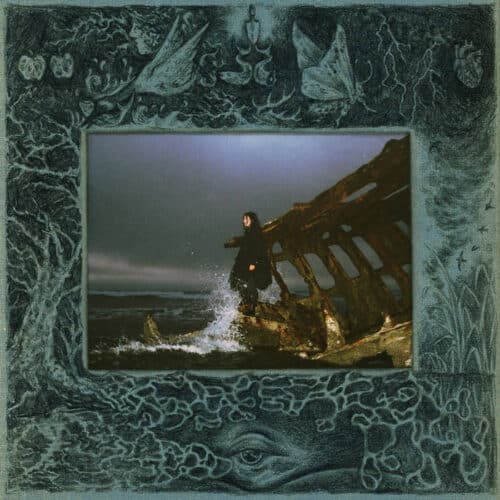
Recommended Tracks: “Belly of the Whale,” “Hunter,” “Geese”
Artists You May Like: Sufjan Stevens, Hozier, James Blake
Four years after his debut album Guard Dog, Alec Duckart (professionally known as indie-folk artist Searows) has quickly gained the hearts of thousands of fans who relate to his vulnerable lyrics and storytelling. Originally from Lexington, KY, and now residing in Portland, OR, Searows takes pride in the environments he grew up in, using personal experiences as a way to share his art with others.
In an interview with Dazed Digital by journalist Elliot Hoste, Searows further expands on his creative process: “‘I feel like I’m very much stereotypically Pacific Northwest in my whole sound, vibe, and interests,’ he says, leaning forward on his bed. You hear it in the soulful yearn of new single ‘Funny’, its dulcet rhythms continuing the musical legacy of the wider northern region (Bon Iver and Sufjan Stevens, both huge influences, are from the Midwest).”
From writing songs and learning guitar throughout his adolescence to now having millions of streams across digital platforms, Searows is on the rise to stardom. As of January 23, listeners are able to witness the growth of Searows’ evolution as a musician.
The album starts with “Belly of the Whale,” an acoustic folk song that captures the emotions of anxious uncertainty: “I am not invincible / I am measuring things / I am watching the walls again / Collapse everything / I’ve been here for a long time / I try and I fail / I am still in the body of the whale / And I know what you’re thinking / How did you get here, too? / I don’t know any better than you.” The first and second verses depict Searows’ acknowledgement of his anxiety as he also questions another person in his life as to why they feel the same.
The metaphor “Belly of the Whale” refers to being in a dark, challenging situation and having nowhere to escape. This phrase originates from the Book of Jonah in the Bible, highlighting one of the 12 prophets in The Old Testament. Jonah 1:17 states “Now the lord provided a huge fish to swallow Jonah, and Jonah was in the belly of the whale for three days and three nights.” This can also be seen as an allegory: having fear of the unknown.
As the song progresses, the final verse, “And after the plummet / Sinking into the grey / I am left in the stomach / At the bottom, where I lay,” illustrates acceptance in reaching rock bottom. Searows’ final minute of embracing a new reality is heard through layered harmonies and repetitive strums of the acoustic guitar.
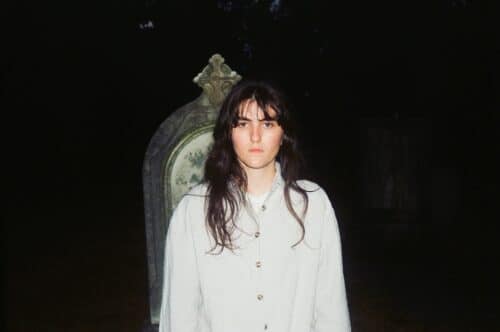
The fourth track brings listeners to “Hunter,” a warm yet devastating tune which highlights protecting a person you love. Entwined with the slow snare of drums and electric guitar, the beginning verse goes, “Damn it / I only left for a second / Now everything’s changed, and I let it / Damn it / Walking home / Without your friends because no one knows / You could’ve lied with your eyes closed / I know.”
As the song continues, he compares himself to “a killer with a heart on fire.” Deciding to sacrifice himself to protect someone he cares for, Searows sings, “I’ll be the hunter when you tell me I need to be / Point at the center, right between the eyes / Doesn’t it kill you watching somebody bleed for me?” In the chorus alone, Searows pours his soul out to this individual, questioning their integrity while revealing how love, in its highest form, can potentially become their downfall.
“Hunter” further delves into the platonic, harboring feeling of love, displaying verbal affection through parables. From sweet moments like “Fall asleep / Back of the car, out of Eugene / Sweeten the way that you talk to me / Like sonnets,” and “It’s a forest / sucking the juice from an orange / Lay in the street when it’s pouring / It’s like a dream to me,” Searows holds onto those memories despite the sacrifices both parties want to make for one another.
The album concludes with “Geese” a gut-wrenching, soft, 3-minute ballad that meets negative thoughts with a patient embrace. Inspired by Mary Oliver’s poem Wild Geese, Searows tugs at our hearts with words many of us yearn to hear. From the introductory verse, “You don’t have to do anything better / But, my darlin’, you cannot live like this forever / Like wild geese flying toward something / You do not have to do good / But you cannot do nothing,” listeners are drawn into gentle safe space. Almost like a physical hug, this song affirms that doing your best is simply enough, while also reminding us that staying stagnant can lead to harm.
As the song progresses, Searows continues to reassure his loved one, offering them advice in the second verse: “You cannot offer up something that was not yours to give / And I’m doin’ the talking how I do in my sleep / Just forgive me for wantin’ everything that you need.” Searows feels detached from his own emotions, giving more to his loved one than he allows himself to receive.
“Geese” ends on a melancholic note: “I will not lay me down in front of the tracks / If I swore that I meant it, then I take it back / I’m runnin’ water, overflowin’ the bath / Somethin’ lost in the center turns the water black / When you come back / when you come back.” Here, we are witnessing a confession in real time. Searows exposes his most vulnerable thoughts with unfiltered honesty, retreating from self-destructive thoughts in longing for his loved one’s return.
Through intimate and emotional songwriting, Searows has created an album that resonates with listeners who find themselves in every word he sings. Death in the Business of Whaling captures the deepest parts of our minds unfiltered and for that, this album stands as Searows’ most intimate work yet.
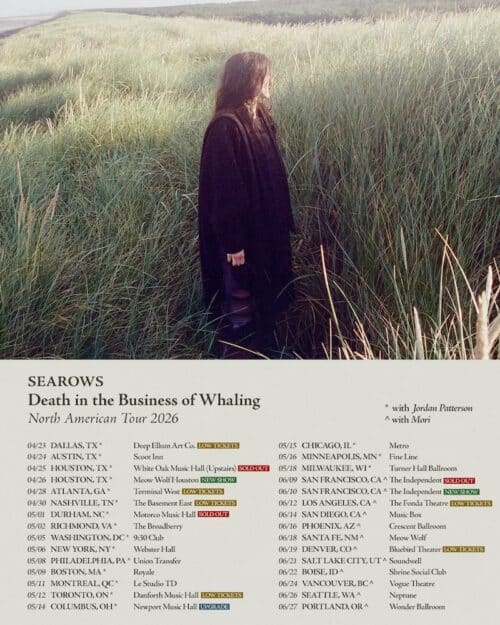
Searows is taking this new album on tour across North America this spring with support from Jordan Patterson and Mori. Find tour dates below and tickets are available here.
Keep up with Searows: Instagram // TikTok // Youtube // Facebook // Spotify // Apple Music // Soundcloud // Bandcamp // Website


